Introduction
China remains the world’s largest manufacturing hub, and for e-commerce entrepreneurs, it represents an extraordinary opportunity. Whether you’re launching a new product line, scaling an existing brand, or looking to reduce costs without compromising quality, sourcing products from Chinese manufacturers and suppliers can dramatically improve your margins and give you access to an almost unlimited catalogue of goods.
Yet importing from China is not without its complexities. Navigating supplier relationships, understanding customs regulations, managing shipping logistics, and protecting your business from costly mistakes all require knowledge and careful planning. This guide walks you through each stage of the process – from identifying your first supplier to getting your goods safely into your warehouse – so you can build a reliable, profitable supply chain with confidence.
One of the most important decisions you will make is choosing a freight forwarder – the logistics partner who coordinates the international movement of your goods. We’ll discuss what to look for in a freight forwarder throughout this guide, and we’ll highlight why Stockwells stands out as a trusted partner for e-commerce businesses importing from China.
1. Understanding the Basics: Why Source from China?
Before diving into the mechanics of importing, it is worth understanding why so many online retailers turn to China as their primary sourcing destination.
1.1 Manufacturing Scale and Diversity
China’s manufacturing ecosystem is vast and highly diversified. From electronics and homewares to clothing, toys, sporting goods, and industrial equipment, Chinese factories produce an extraordinary breadth of products. Many manufacturing clusters have developed deep specialisations – Shenzhen for electronics, Yiwu for small commodities and accessories, Guangzhou for apparel, and Dongguan for furniture, to name a few. This geographic concentration means competitive pricing and fast turnarounds are often achievable within specialised categories.
1.2 Cost Advantages
Labour costs, raw material access, and economies of scale combine to make Chinese manufacturing significantly cheaper than domestic production in most Western countries. For e-commerce sellers working with tight margins, this cost advantage can be the difference between a viable business and one that cannot compete. Even accounting for shipping, customs duties, and import taxes, many product categories remain substantially cheaper than locally sourced alternatives.
1.3 Customisation and Private Labelling
Chinese manufacturers are generally very accommodating when it comes to customisation. Many factories offer OEM (Original Equipment Manufacturer) and ODM (Original Design Manufacturer) services, allowing you to put your own branding on existing product designs or work collaboratively to develop entirely new products. This flexibility makes it realistic for small and medium-sized e-commerce businesses to launch their own branded product lines without requiring enormous capital investment.
2. Finding and Vetting Suppliers
Identifying a reliable supplier is the foundation of a successful import operation. A poor supplier can result in delayed shipments, substandard products, and costly disputes.
2.1 Where to Find Suppliers
There are several well-established channels for finding Chinese suppliers:
- Alibaba.com – The largest B2B marketplace in the world, connecting buyers with thousands of verified Chinese manufacturers and trading companies. Look for suppliers with Gold Supplier status and Trade Assurance coverage.
- Global Sources – Particularly strong for electronics and technology products, with a large directory of suppliers who regularly exhibit at trade fairs.
- Made-in-China.com – Another reputable B2B platform with a wide range of categories and supplier verification tools.
- Canton Fair – China’s largest trade fair, held biannually in Guangzhou, is an excellent opportunity to meet suppliers face-to-face and evaluate product quality in person.
- Sourcing agents – Professional agents based in China can leverage their local networks to identify factories that may not be visible on public platforms, negotiate pricing on your behalf, and conduct factory audits.
2.2 Vetting a Supplier
Once you have identified potential suppliers, do not rush into placing an order. A robust vetting process is essential:
- Request business documentation – Ask for the supplier’s business licence, export licence, and any relevant product certifications (e.g. CE marking for Europe, FCC for the US).
- Order samples – Always request and pay for product samples before committing to a bulk order. Evaluate quality, packaging, and accuracy against your specifications.
- Conduct a factory audit – Either visit the factory in person or hire a third-party inspection company to verify that the supplier is who they claim to be and that their facilities meet your standards.
- Check references and reviews – Speak to other buyers who have worked with the supplier and read platform reviews carefully.
- Start small – Place a modest initial order to test the supplier’s reliability, product consistency, and ability to meet deadlines before scaling up.
3. Negotiating Terms and Placing Orders
3.1 Pricing and Minimum Order Quantities
Most Chinese suppliers operate with Minimum Order Quantities (MOQs) – the smallest volume they are willing to produce in a single run. MOQs can vary enormously, from as few as 50 units for some suppliers to 1,000 or more for others. Negotiating a lower MOQ is often possible, especially if you can demonstrate credibility and the potential for future orders, though you may pay a higher per-unit price as a trade-off.
Always negotiate pricing respectfully and with knowledge of market rates. Chinese suppliers expect some degree of negotiation, but aggressive or disrespectful tactics can damage the relationship and ultimately hurt the quality of service you receive.
3.2 Payment Terms
Payment terms for international orders typically involve a deposit upfront and the balance paid before or after shipment. Common arrangements include:
- 30% deposit, 70% before shipment – The most common structure for new supplier relationships.
- Letter of Credit (L/C) – A bank-backed payment guarantee that offers strong protection for both parties, though it involves additional complexity and bank fees.
- Trade Assurance (Alibaba) – For orders placed through Alibaba, Trade Assurance provides a degree of protection if the supplier fails to meet agreed terms.
Avoid paying 100% upfront to new suppliers. Wire transfers are common, but for larger orders consider using a payment method that offers some level of dispute resolution.
3.3 Purchase Orders and Contracts
A written purchase order (PO) is essential for every transaction. Your PO should specify the product description and specifications in detail, unit price and total order value, packaging requirements, labelling and branding instructions, delivery timeline, quality standards and inspection requirements, and consequences for non-compliance. Having a formal agreement in place does not guarantee everything will go perfectly, but it provides a clear reference point if disputes arise.

4. Quality Control
One of the most common pitfalls for first-time importers is assuming that what you ordered is exactly what you will receive. Quality control (QC) is not optional – it is a fundamental part of importing from China.
4.1 Pre-Production and In-Production Inspections
For significant orders, consider arranging inspections at multiple stages. A pre-production inspection verifies that raw materials and components meet your requirements before manufacturing begins. An in-production inspection (typically conducted when 30-40% of goods have been produced) allows you to catch defects early, before the entire batch is affected.
4.2 Pre-Shipment Inspections
A pre-shipment inspection (PSI) is conducted when production is complete and goods are ready to be packed. An independent third-party inspection company will visit the factory, check a random sample of units against your specifications, and provide you with a detailed report. Companies such as QIMA, SGS, and Bureau Veritas offer these services at relatively low cost compared to the potential losses from a failed shipment.
If the inspection reveals significant defects, you have the opportunity to negotiate with the supplier to fix the issues before the goods leave China – which is far less costly than managing returns or reshipments after the fact.
5. Shipping and Freight: Getting Your Goods Home
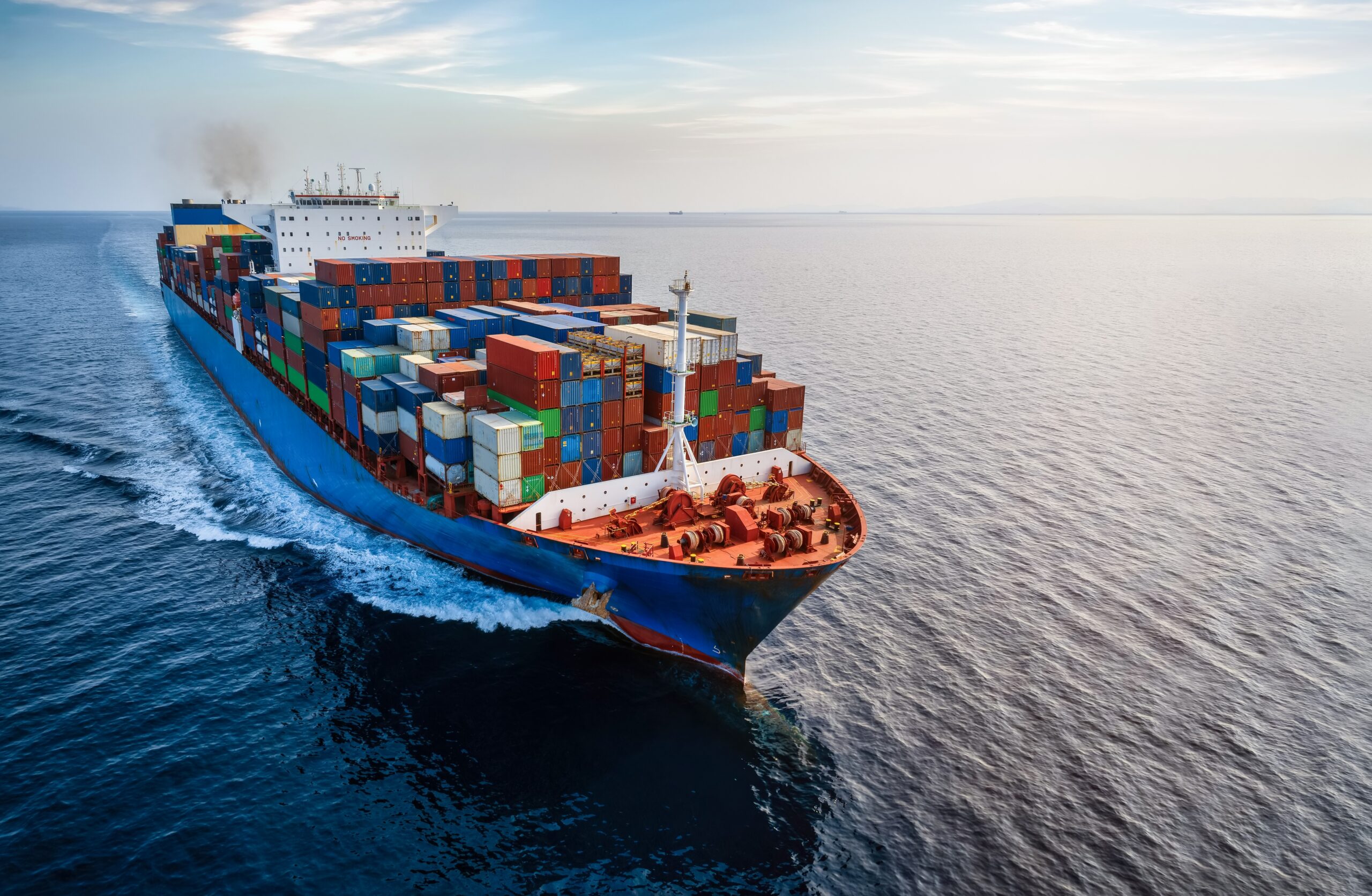
Once your goods have passed quality inspection and are ready to ship, the next major step is getting them from the factory in China to your storage location. This is where your choice of shipping method and freight forwarder becomes critically important.
5.1 Shipping Methods
There are three primary shipping methods for importing goods from China:
- Air freight – The fastest option, suitable for small, high-value shipments or situations where speed is critical. Air freight is significantly more expensive per kilogram than sea freight, making it impractical for large or heavy consignments.
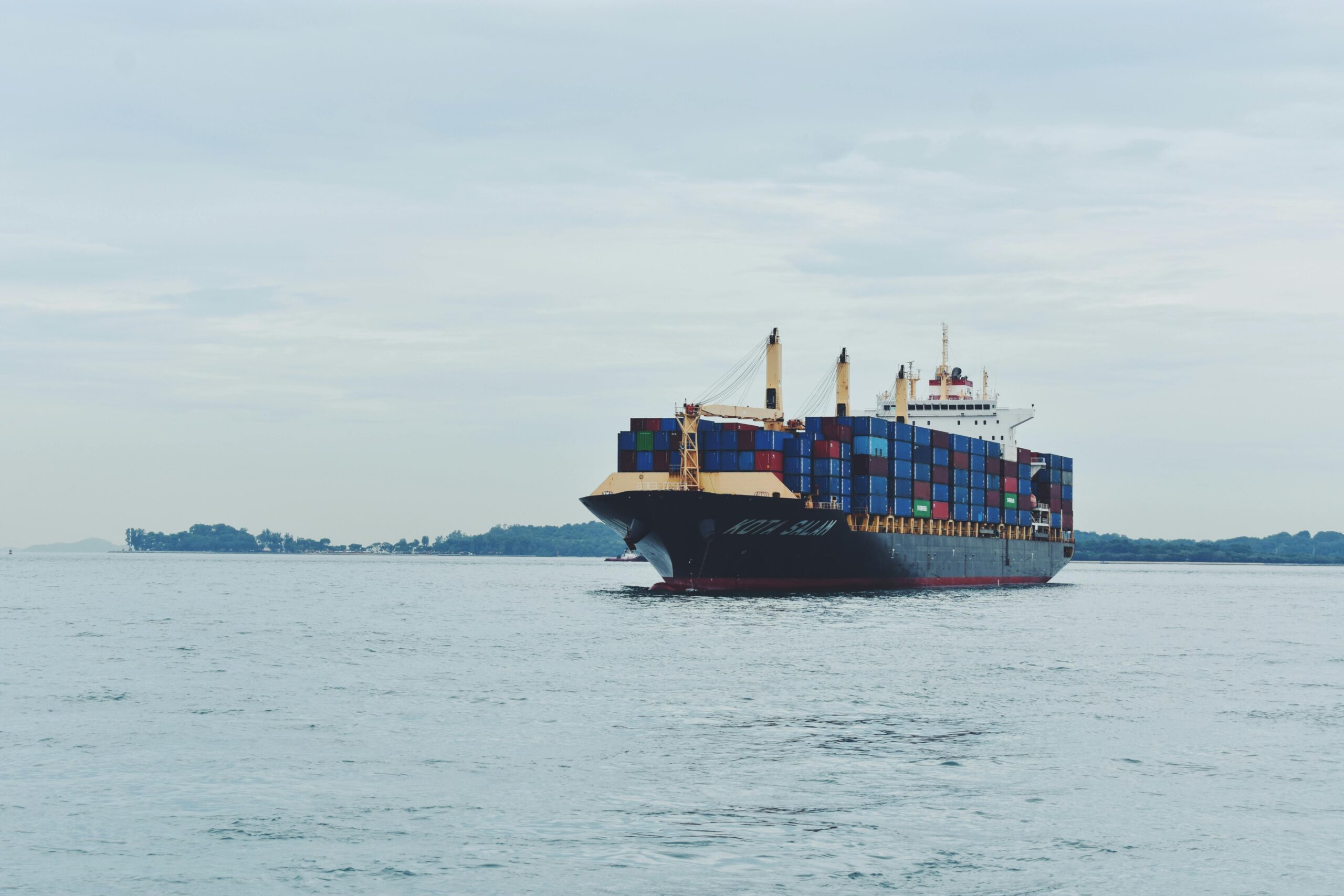
- Sea freight (FCL) – Full Container Load shipping is the most cost-effective option for large volumes. You rent an entire container (typically 20ft or 40ft) and fill it with your goods. Transit times from China to Australia or Europe are typically 20-40 days.
- Sea freight (LCL) – Less than Container Load shipping allows you to share container space with other importers, paying only for the cubic metres your shipment occupies. LCL is ideal for medium-sized shipments that don’t justify the cost of a full container.
5.2 Incoterms: Understanding Who is Responsible for What
Incoterms (International Commercial Terms) are internationally recognised codes that define the responsibilities of buyers and sellers in international trade transactions. Understanding them is essential when negotiating with suppliers and freight forwarders.
The most common Incoterms used in China imports include:
- EXW (Ex Works) – The supplier makes goods available at their factory. You are responsible for all transport, export clearance, and costs from that point.
- FOB (Free on Board) – The supplier delivers goods to the port of origin and completes export clearance. You take responsibility once the goods are loaded onto the vessel.
- CIF (Cost, Insurance, and Freight) – The supplier pays for freight and insurance to the destination port. You are responsible for import duties, customs clearance, and onward delivery.
- DDP (Delivered Duty Paid) – The supplier assumes full responsibility for delivery to your nominated destination, including import duties and taxes. This is the most hands-off option for buyers.
FOB is the most commonly recommended Incoterm for e-commerce importers, as it gives you control over freight costs and provider choice without requiring you to manage Chinese export logistics.

6. Why You Need a Freight Forwarder
A freight forwarder is a specialist logistics company that acts as an intermediary between you and the various transport providers, customs authorities, and port operators involved in getting your goods from China to your door. For most e-commerce importers – particularly those importing for the first time – working with a good freight forwarder is not just helpful, it is essential.
Here is what a quality freight forwarder will do for you:
- Book and manage cargo space with shipping lines, airlines, or trucking companies on your behalf
- Prepare and manage shipping documentation, including Bills of Lading, packing lists, and commercial invoices
- Coordinate customs clearance in both the origin and destination countries
- Calculate and advise on applicable import duties and taxes
- Arrange cargo insurance to protect your shipment against loss or damage
- Provide real-time tracking and updates on your shipment’s progress
In short, a freight forwarder takes the complexity of international logistics off your plate so you can focus on running your business. Choosing the right one, however, requires some careful consideration.
7. Choosing Your Freight Forwarder: Why Stockwells
Not all freight forwarders are created equal. When evaluating options, you should look for a company with proven experience handling China imports in your product category, transparent and competitive pricing, a track record of reliable customs clearance and compliance, dedicated account management and responsive communication, and a genuine understanding of the needs of e-commerce businesses.
Stockwells ticks all of these boxes and more, making them an outstanding choice for e-commerce businesses importing from China.
7.1 Deep Expertise in China Trade
Stockwells has extensive experience managing freight from China across a wide range of product categories. Whether you are importing consumer electronics, homewares, apparel, toys, or industrial goods, their team understands the specific documentation requirements, common inspection triggers, and potential compliance challenges associated with different types of products. This depth of knowledge means fewer surprises and faster clearance times.
7.2 Transparent, Competitive Pricing
Hidden fees and opaque pricing structures are a frustratingly common problem in the freight forwarding industry. Stockwells operates with a commitment to clear, upfront pricing so you always know what you are paying for. Their competitive rates across sea freight (both FCL and LCL), air freight, and courier services ensure that you are getting strong value without compromising on service quality.
7.3 End-to-End Service
Stockwells provides a comprehensive end-to-end service covering collection from your supplier’s factory in China, export clearance, freight booking and management, import customs clearance, and delivery to your nominated address. For e-commerce businesses, this seamless service means you have one point of contact for your entire logistics chain, eliminating the confusion of coordinating between multiple providers.
7.4 Customs Compliance and Duty Management
Customs compliance is one of the most consequential aspects of importing. Errors in documentation, incorrect tariff classifications, or failure to meet biosecurity requirements can result in costly delays, fines, or even the seizure of your goods. Stockwells’ experienced customs brokers ensure that your shipments are classified correctly, declarations are accurate, and any applicable permits or certificates are obtained in advance. Their proactive approach to compliance helps you avoid the delays and penalties that can derail a new import business.
7.5 Dedicated Support for E-Commerce Businesses
Stockwells understands the particular pressures that e-commerce businesses face: seasonal demand spikes, tight restocking deadlines, cash flow sensitivity, and the need for accurate lead time forecasting to manage inventory. Their team provides personalised support and proactive communication so you are never left wondering where your shipment is or when it will arrive. For online retailers whose stock availability directly affects sales revenue, this level of service is invaluable.
8. Customs, Duties, and Compliance
Importing goods from China means navigating the customs and compliance requirements of your destination country. Getting this right is critical to avoiding delays and unexpected costs.
8.1 Import Duties and Taxes
Almost all imported goods are subject to import duties, calculated as a percentage of the customs value (typically the cost of the goods plus freight and insurance). The duty rate varies by product category and is determined by the Harmonised System (HS) tariff code assigned to your goods. Some categories – particularly electronics, clothing, and footwear – may attract higher duty rates, while others may qualify for reduced rates under free trade agreements.
In addition to import duties, you will typically need to pay GST, VAT, or the equivalent consumption tax on imported goods. In Australia, for example, GST of 10% applies to most imported goods above a low value threshold. In the UK, 20% VAT is standard on most imports.
8.2 Product Compliance and Certifications
Depending on your product category and destination market, your goods may need to meet specific product safety standards and carry relevant certifications. In Australia, products sold to consumers must comply with Australian Consumer Law and relevant product safety standards. In the European Union, many product categories require CE marking. In the United States, products may need FCC approval, CPSC compliance, or FDA registration depending on the category.
It is your responsibility as the importer to ensure that products meet the applicable standards. Your freight forwarder and a specialist compliance consultant can advise you on what is required for your specific products.
8.3 Biosecurity and Restricted Goods
Australia, New Zealand, and several other countries have strict biosecurity requirements for imported goods, particularly those made from natural materials such as wood, bamboo, leather, or plant-based fibres. Ensure that any such products are accompanied by the required treatment certificates and that your freight forwarder is aware of these requirements well in advance of shipment.
9. Managing Your Supply Chain Ongoing
Successful importing is not a one-time event – it is an ongoing process that requires careful management and continuous improvement.
9.1 Lead Time Planning
One of the biggest mistakes new importers make is underestimating lead times. From placing a production order to having goods in your warehouse, the total elapsed time can easily reach 10-16 weeks when you factor in production time (4-8 weeks), quality inspection, export documentation, sea freight transit (20-40 days depending on destination), customs clearance, and delivery. Plan your purchase orders well in advance, especially ahead of peak selling periods.
9.2 Inventory Management
Working with longer supply chains requires a more strategic approach to inventory management than domestic sourcing. Calculate your reorder points carefully, maintain appropriate safety stock levels, and use your sales data to forecast demand as accurately as possible. Running out of stock during peak periods can cost you significantly more in lost sales than the cost of holding a little extra inventory.
9.3 Building Long-Term Supplier Relationships
The best importing outcomes come from treating your suppliers as long-term partners rather than interchangeable vendors. Paying on time, providing clear feedback, placing consistent orders, and visiting the factory periodically all help to build the trust and goodwill that leads to better pricing, priority treatment during busy production periods, and higher quality products over time.
10. Common Mistakes to Avoid
Many of the challenges experienced by first-time importers are entirely avoidable. Here are the most common pitfalls and how to sidestep them:
- Skipping the sample stage – Never place a bulk order without first receiving and thoroughly evaluating samples. The cost of samples is trivial compared to the cost of receiving thousands of defective units.
- Choosing a supplier based on price alone – The cheapest quote is rarely the best value. Factor in reliability, quality consistency, communication responsiveness, and long-term partnership potential.
- Neglecting product compliance requirements – Research the regulatory requirements for your product category and destination market before placing an order. Compliance issues discovered after shipment are expensive and time-consuming to resolve.
- Underestimating total landed cost – Your landed cost includes the product cost, freight, import duties, customs clearance fees, insurance, and delivery to your warehouse. Failing to account for all of these will distort your profit margin calculations.
- Not using a freight forwarder – Attempting to manage international shipping and customs clearance without professional assistance is a recipe for delays, errors, and unnecessary stress, especially for first-time importers.
- Poor communication with suppliers – Ambiguous specifications, slow responses to questions, and a lack of written agreements all create conditions for misunderstandings that can result in incorrect or substandard goods.
Conclusion
Importing products from China for your online store is one of the most effective strategies for building a profitable, scalable e-commerce business. The opportunities are significant – competitive pricing, vast product choice, customisation flexibility, and the ability to develop your own branded product range – but so too are the complexities involved in executing it well.
Success comes from taking a methodical approach: researching and vetting your suppliers diligently, maintaining rigorous quality control, understanding your obligations around customs and compliance, planning your inventory well in advance, and building strong long-term relationships with both your suppliers and your logistics partners.
Above all, partnering with the right freight forwarder will save you time, money, and stress at every stage of the import process. Stockwells brings the experience, expertise, and client-focused service that e-commerce businesses need to import from China with confidence. From factory collection in China through to delivery at your warehouse, their end-to-end approach means you can focus on growing your business while they handle the logistics.
Start small, learn as you go, and build your import operations systematically. With the right team around you – and the right freight forwarder in your corner – importing from China can be a transformative lever for your online store.